








Kast Scraps Boric-Era Labor Bill That Would Have Protected Worker Wages
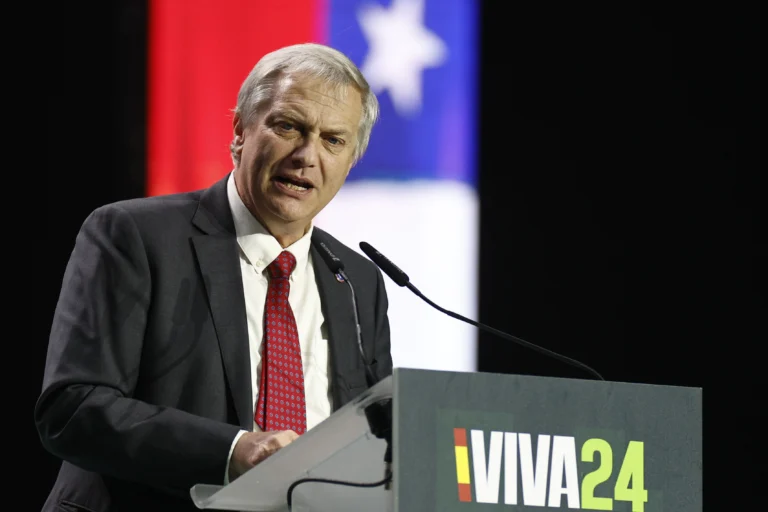
Kast, whose ideological legacy is closely tied to that of Augusto Pinochet and whose parliamentary record opposes social reforms, remains under scrutiny. Photo: EFE
March 18, 2026 Hour: 6:43 am
🔗 Comparte este artículo
Chilean far-right President Jose Antonio Kast has formally withdrawn from Congress a bill that would have established sectoral collective bargaining, killing legislation that unions say would have strengthened workers’ negotiating power against large corporations.
Supporters of the bill argued it would have ensured that salary and benefit increases reached all workers within the same economic sector—whether commerce, industry, services, or mining—rather than being fragmented across thousands of separate firms.
RELATED: Controversial Chile pardons 2019 protests : Kast Considers Pardoning 102 Convicted Agents
The proposed legislation would not have replaced company-level negotiations but would have established a minimum floor of rights, preventing businesses from competing by suppressing wages and instead forcing them to pursue competitiveness through innovation and productivity gains.
The bill’s fate was sealed before it ever received a proper hearing. The administration of former President Gabriel Boric delayed submitting the legislation until March 3—just days before his term expired—leaving insufficient time for debate and clearing the path for Kast’s incoming government to quietly withdraw it.
Critics say the withdrawal signals the Kast government’s alignment with big business at the expense of labor rights. Sectoral bargaining is standard practice in most developed nations belonging to the OECD, the organization of wealthy countries of which Chile is a member.
“The truth is that this generates a very significant loss, not only for commercial activity, but also for its employees, and it creates incentives for people’s consumer preferences to ultimately be channeled through the informal economy,” argued the business leader.
Author: Victor Miranda
Source: agencies